Intended programme areas
Practical direction.
Responsible ambition.
The seven areas below describe what Green Foundation intends to develop. They are a starting framework, not a claim that these programmes are currently running or have already achieved results.
Education access & learning
Intended programme area · 01
Support children and young people to access, stay in and benefit from learning. The Foundation intends to combine direct learning support with practical engagement of families, educators and local institutions — always based on what communities identify as useful.
Indicative activities
- Learning support and study sessions, subject to local needs
- Educational materials and access support where appropriate
- Awareness on enrolment, retention and continued learning
- Mentoring and encouragement for students at key transition points
Skills development & vocational training
Intended programme area · 02
Practical skills can open a route to income, confidence and greater choice. The Foundation intends to support skills development that is relevant to local demand and realistic about the resources required to deliver it well.
Indicative activities
- Short vocational and practical skills courses
- Local training needs assessments with potential learners
- Links with trainers, employers and relevant institutions
- Guidance on applying newly acquired skills
Youth employability & digital skills
Intended programme area · 03
Young people need more than qualifications; they need orientation, confidence and awareness of how work and technology are changing. This area connects directly to the Career Guidance & Digital Skills Awareness activity documented on 25 April 2026.
Indicative activities
- Career guidance and pathways awareness sessions
- Introductory digital literacy and responsible technology use
- CV, application and interview readiness support
- Exposure to further education, training and employment options
Sustainable livelihoods & enterprise support
Intended programme area · 04
Household resilience grows when people have viable ways to earn. The Foundation intends to explore practical livelihood support, financial understanding and enterprise basics — without making promises of funding, loans or guaranteed income.
Indicative activities
- Financial literacy and household budgeting awareness
- Orientation to small enterprise and self-employment basics
- Mentoring and peer learning where available
- Market and opportunity linkage support over time
Community empowerment
Intended programme area · 05
Communities are not passive beneficiaries. This area focuses on participation, local initiative and the confidence to shape priorities. It is intended to sit underneath every other programme area, not beside them.
Indicative activities
- Community consultations and listening sessions
- Support for locally identified civic and social initiatives
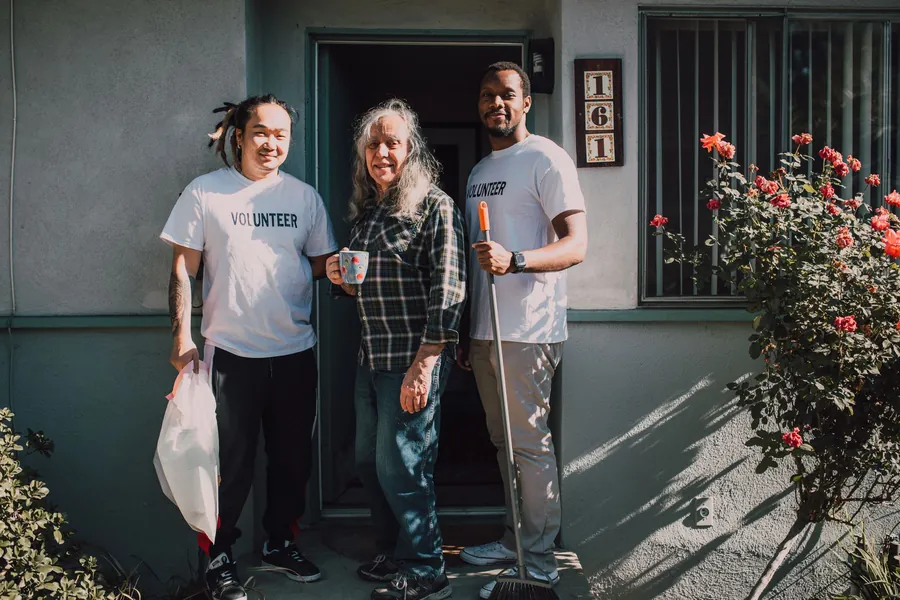
- Volunteer engagement and shared public-space care
- Public awareness on issues communities prioritise
Women & disability inclusion
Intended programme area · 06
Inclusion is both a programme focus and a design requirement. The Foundation intends to examine who faces barriers to participation — including women, girls and persons with disabilities — and to remove those barriers wherever it reasonably can.
Indicative activities
- Outreach designed around identified access barriers
- Accessible venues and inclusive participation practices
- Engagement with women's groups and representative organizations
- Disability-inclusive planning across programme areas
Environment, cleanliness & tree plantation
Intended programme area · 07
Shared public spaces shape how a community feels and functions. This area builds on the Community Cleanliness & Tree Plantation activity documented on 15 March 2026, while recognising that one activity is not yet a programme.
Indicative activities
- Community cleanliness and awareness drives
- Tree plantation with attention to care and survival
- Environmental education with young people
- Encouraging shared responsibility for public spaces
How programmes will be developed
From intention to responsible delivery.
No programme area should move from idea to delivery without answering four practical questions.
-
Is it needed?
Confirm the priority with the people affected rather than assuming it from a distance.
-
Can we deliver it well?
Be realistic about capacity, resources and the systems required before making commitments.
-
Can we protect people?
Address safeguarding, dignity, accessibility and informed participation from the start.
-
Can we evidence it?
Agree what will be recorded, reviewed and published before the activity begins.
Collaborate
Help us design what comes next.
Local insight makes programmes more relevant. If you work in education, skills, inclusion, livelihoods or environment in Quetta, we would like to hear from you.