Community organizations
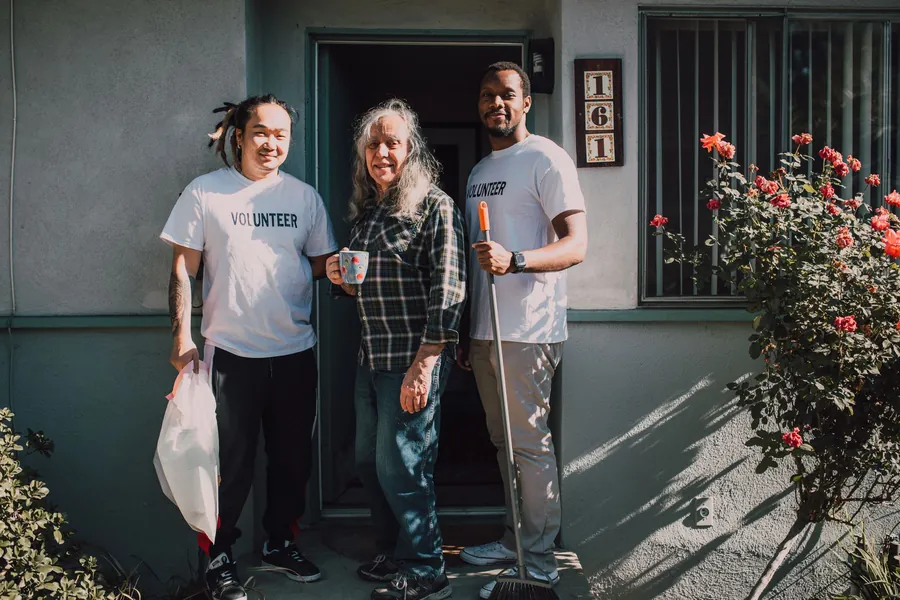
Local groups and community leaders who understand priorities, relationships and practical realities on the ground.
Partnerships
Green Foundation is open to thoughtful collaboration. It does not currently claim any formal partnership, donor relationship or endorsement — and will not display one until it is properly documented.
An honest starting point
It can be tempting for a new organization to borrow credibility by displaying familiar names and logos. Green Foundation will not do that. No partner, donor, endorser or supporter is presented on this website as a formal relationship.
What the Foundation can offer is a clear starting point: named leadership, a defined purpose, two documented community activities and a commitment to document roles and report honestly. That is a basis for a conversation — not a substitute for one.
Who we hope to work with
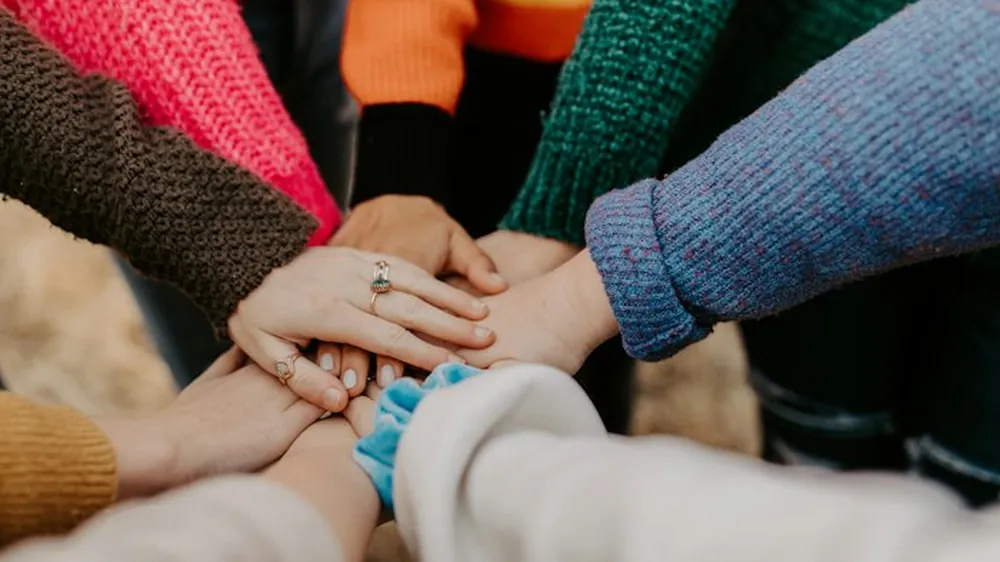
The Foundation is interested in relationships that add practical value to communities — not visibility for its own sake.
Local groups and community leaders who understand priorities, relationships and practical realities on the ground.
Schools, colleges and learning centres that can help shape relevant education and guidance activities.
Businesses, trainers and practitioners who can offer practical insight into skills, work and career pathways.
Organizations working on women's participation, disability inclusion, safeguarding and social justice.
Relevant public bodies and local authorities, where a clear and appropriate basis for collaboration exists.
Individuals or foundations interested in responsible, early-stage community development and capacity building.
Where collaboration helps
The Foundation is at an early stage. The most useful partnerships are likely to be those that strengthen design, delivery and accountability.
| Principle | Practice |
|---|---|
| Clarity | Roles, contributions and expectations discussed before work begins. |
| Consent | No partner name, logo or endorsement published without documented permission. |
| Accuracy | Results reported as they are, including limitations and gaps. |
| Safeguarding | Participant dignity, consent and protection treated as non-negotiable. |
| Correction | Errors acknowledged and corrected rather than defended. |
How to start
No partnership should begin with a public announcement. It should begin with a conversation about purpose, capacity and fit.
Share who you are, what you do and what you think a useful collaboration could achieve.
Discuss purpose, roles, capacity, safeguarding and what each side can realistically contribute.
Document the arrangement before any joint activity or public description of the relationship.
Assess what worked, what did not and whether the collaboration should continue.
“The right partner will value clarity as much as ambition. We are looking for both.”
A statement of approach, not a quotation from an individual
Get in touch
Tell us what you have in mind. We will be honest about whether it is a good fit and what would be needed to do it properly.